lab-grown meat (2)

31016852455?profile=RESIZE_584xThe Food Standards Agency (FSA), in partnership with Food Standards Scotland (FSS), has published the UK's first safety guidance for cell-cultivated products (CCPs).

Cell-cultivated products are new foods that don’t involve traditional farming such as rearing livestock or growing plants and grains. They are made by taking cells from plants or animals, which are then grown into food. The FSA and FSS’s CCP Sandbox Programme focusses on animal cells only.

These are the first of several pieces of guidance being produced by the programme. The first confirms that cell-cultivated products produced using animal cells, sometimes called ‘lab-grown meat’, are defined as products of animal origin. This means that businesses must apply existing food safety regulations during the production process.

Image: gov.uk

The second provides guidance on allergenicity assessments and how nutritional quality will be assessed as part of the approval process for all cell-cultivated products.  

More information and guidance for businesses on cell-cultivated products can be found at Innovative Food Guidance Hub.
Read more…

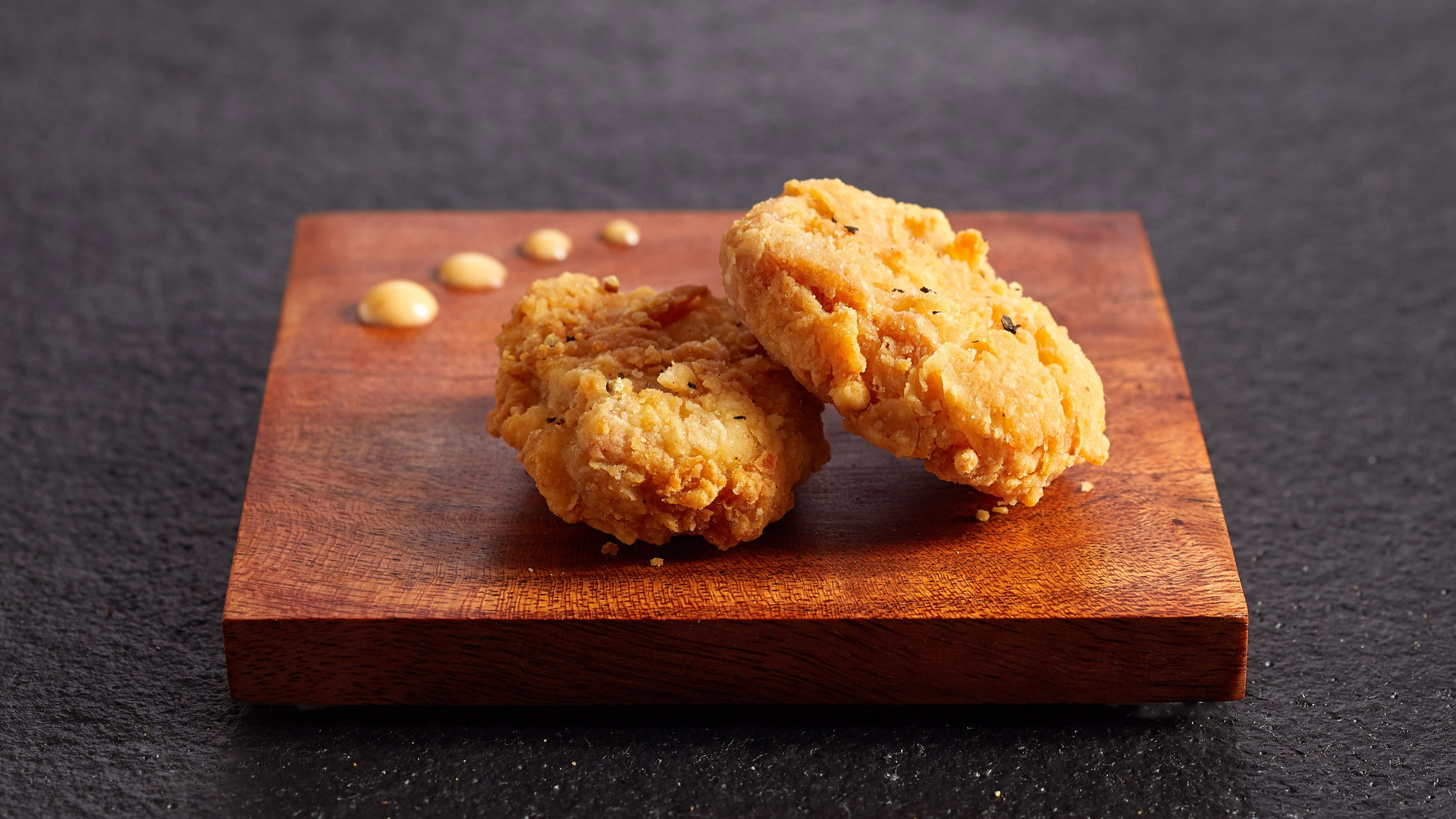
Eat Just chicken nuggets

Singapore has given regulatory approval for the world’s first “clean meat” that does not come from slaughtered animals.

The Singapore Food Agency (SFA) said an expert working group reviewed data on Eat Just’s manufacturing control and safety testing of the cultured chicken.

“It was found to be safe for consumption at the intended levels of use, and was allowed to be sold in Singapore as an ingredient in Eat Just’s nuggets product,” the SFA said.

The agency said it has put in place a regulatory framework for “novel food” to ensure that cultured meat and other alternative protein products meet safety standards before they are sold in Singapore.

The decision paves the way for San Francisco-based startup Eat Just to sell lab-grown chicken meat. The meat will initially be used in nuggets, but the company hasn’t said when they will become available.

Demand for alternatives to regular meat has surged due to consumer concerns about health, animal welfare and the environment. According to Barclays, the market for meat alternatives could be worth $140bn (£104bn) within the next decade, or about 10% of the $1.4tn global meat industry.

Read full article.

Read more…